How often should asphalt driveways be sealcoated in Virginia?
Most driveways in Virginia benefit from sealcoating about every 2 to 3 years depending on traffic, sun exposure, and drainage conditions.
// Knowledge Base
Forty years of asphalt knowledge — distilled. Climate-specific guides, material breakdowns, maintenance schedules, and commercial paving deep-dives.
Chesterfield County has dozens of paving contractors — and a wide range of quality. Here is how local homeowners and property managers can identify the right contractor for their project.
Retaining walls, concrete patios, and outdoor hardscaping often need to be designed alongside driveway and parking work. Here is what Virginia property owners need to know.
Concrete flatwork is the right choice for certain Virginia applications — parking pads, aprons, walkways, and areas with heavy vehicle traffic or fuel exposure. Here is when concrete wins.
Asphalt millings are a cost-effective driveway surface for rural and light-traffic properties in Virginia. Here is what they are, where they work, their real limitations, and what they cost.
Tar and chip (chip seal) is a popular rural driveway surface in Virginia — lower cost than asphalt, better traction, and a natural look. Here is what it is, what it costs, and where it works best.

Learn what controls driveway lifespan in Virginia and how drainage, traffic, and sealcoating intervals can add years of performance.
A practical sealcoating schedule for homes, commercial lots, and HOA roads based on traffic and climate conditions in Central Virginia.
How to evaluate asphalt repair, overlay, or full replacement for commercial lots without overspending or delaying critical fixes.
Freeze-thaw weather can accelerate cracks and edge failure. Here is how to protect your pavement before and after winter.
A practical framework for HOA boards to budget paving, repairs, sealcoating, and striping without surprise failures.
Sealcoating a commercial lot costs a fraction of resurfacing or replacement. Here is the real financial case for a proactive sealcoating program at your Virginia property.
Big-box store sealcoating kits look inexpensive — but most Virginia homeowners who try it regret it. Here is the honest comparison before you spend a weekend and ruin your driveway.
The right sealcoating frequency depends on traffic, sun exposure, and surface age. Here are the correct intervals for Virginia residential driveways, parking lots, and HOA roads.
How much does a new asphalt driveway cost in Virginia in 2026? Real price ranges by size, base condition, and location — plus what drives costs up and how to avoid getting overcharged.
Sealcoating extends driveway life, improves appearance, and protects against Virginia's freeze-thaw and UV damage. Here is what it actually does and why the math works.
Richmond and surrounding counties have their own paving cost drivers — clay soil, historic district restrictions, stormwater rules. Here is what asphalt paving actually costs in the Richmond metro in 2026.
What does sealcoating cost in Virginia in 2026? Residential driveways, commercial lots, and HOA roads — with real price ranges by size and condition.
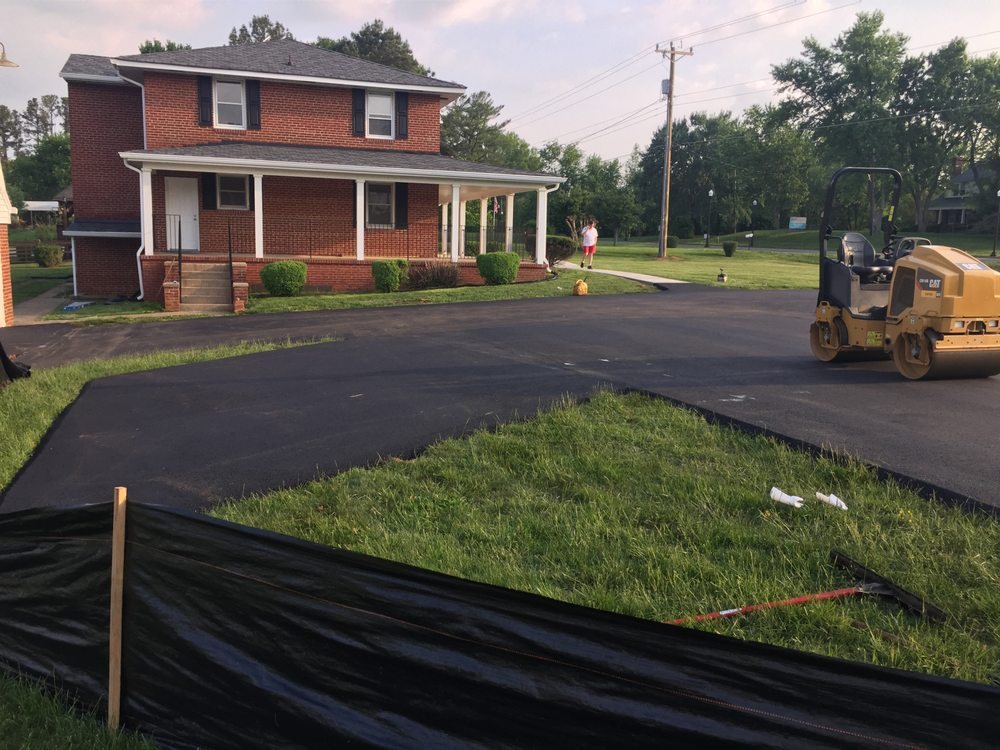
J. Worden & Sons provides asphalt paving, driveway repair, and commercial parking lot solutions across Richmond, Chesterfield, Fredericksburg, and all of Central Virginia.
Central Virginia averages 30 to 50 freeze-thaw cycles per winter. Here is exactly how they destroy asphalt and the specific steps that prevent — and repair — the damage.
Virginia has hundreds of paving contractors — and a significant number of unlicensed or underqualified operators. Here is exactly how to vet a contractor before signing anything.
Virginia commercial properties must meet federal ADA parking standards. Here are the specific requirements, common violations, and how a repaving project brings your lot into compliance.
A properly built asphalt surface lasts 20 to 30 years in Virginia — but only if the base is right and maintenance happens on schedule. Here is what actually controls lifespan.
Asphalt and concrete both work in Virginia — but they have very different cost structures, maintenance demands, and climate responses. Here is the real comparison for Central Virginia homeowners.
Virginia's climate creates a specific sealcoating window every year. Here is when to schedule, what to avoid, and how to get the best cure in our heat and humidity.
A calendar-based parking lot maintenance schedule for Virginia property managers — covering what to do in each season to protect your pavement investment year-round.
A complete maintenance guide for commercial parking lots in Virginia — covering crack filling, sealcoating, drainage, ADA compliance, and when to resurface vs. replace.
Not all pothole repairs are equal. Here is what causes potholes in Virginia, the difference between a temporary patch and a permanent fix, and when each approach is appropriate.
Standing water, edge erosion, and failed driveways almost always trace back to drainage. Here are the most common Virginia drainage problems and how to solve them.
Not all asphalt cracks are the same. This guide covers every crack type common in Virginia, what caused it, and the right repair — from simple filling to full reconstruction.
Property owners often confuse sealcoating with resurfacing — they are completely different treatments for different conditions. Here is how to know which one you actually need.
J. Worden & Sons is a KFC national vendor and has paved QSR franchise sites in 12+ states. Here is what franchise paving specs actually require and why it matters for your property.
Paving in Norfolk, Virginia Beach, Chesapeake, Suffolk, and the Hampton Roads region presents specific challenges — salt air, high water tables, and tidal flooding — that inland contractors do not account for.
Virginia's climate has a clear best window for asphalt paving. Here is when to schedule your driveway or parking lot for the best results — and what months to avoid.
Mill and overlay or full reconstruction? This decision determines whether you spend $2 per square foot or $6 per square foot. Here is how to make the right call for your Virginia commercial lot.
// Popular Service Paths
// Blog FAQ
Most driveways in Virginia benefit from sealcoating about every 2 to 3 years depending on traffic, sun exposure, and drainage conditions.
If the base is stable, targeted repairs or overlays may be effective. If there is widespread base failure, full reconstruction is typically the better long-term choice.
Yes. Freeze-thaw movement, water intrusion, and heat cycles materially impact performance, which is why drainage and maintenance planning are critical.